Quick Answer: Match a used 3.6 Pentastar by VIN, model and year, not by displacement. The original engine and the upgraded engine Chrysler phased in from about 2016 (never in the 2012-2018 Wrangler JK), with variable valve lift and cooled EGR, are not drop-in swaps, and minivan engines are dressed differently from Jeep and Ram engines. A used 3.6 typically costs about $1,200 to $3,000 before labor.
Your Wrangler, Grand Cherokee, Ram 1500, Pacifica or Charger has a 3.6 V6 that knocks, will not hold oil pressure or will not run at all, and the shop says it needs an engine. A used 3.6 Pentastar is usually the cheapest way back on the road, but this engine went into more than a dozen models, and the early and later versions are not the same engine. Order by “3.6 V6” alone and the replacement may not bolt up, wire up or run right.
This guide is for Jeep, Ram, Dodge and Chrysler owners, and the shops working on their vehicles, who have to decide between a repair and a replacement. It covers which version you have, how to tell a dead engine from a bad head or a leak, typical installed cost, what must match and what to check in the photos before you approve one of our VIN-matched used engines.
Key facts
- The 3.6 Pentastar V6 has powered Jeep, Ram, Dodge and Chrysler vehicles since the 2011 model year, including the Wrangler, Grand Cherokee, Ram 1500 and Pacifica.
- Chrysler phased in an upgraded 3.6 Pentastar, with two-step variable valve lift and cooled EGR, from about the 2016 model year. The upgraded and original 3.6 engines are not drop-in swaps.
- A used 3.6 Pentastar engine typically costs about $1,200 to $3,000, plus roughly 10 to 16 hours of installation labor. The exact price depends on year, version and mileage.
- On 2011 to 2013 3.6 Pentastar engines, a cylinder 2 misfire can trace to a known valve seat problem in the left cylinder head, a repair that does not require a whole engine.
- FirstChoice matches a used engine to the VIN before you pay, sends photos of the actual engine before it ships, and covers engines with a 90-day parts warranty.
Which Vehicles Use the 3.6 Pentastar, and Which Version Do You Have?
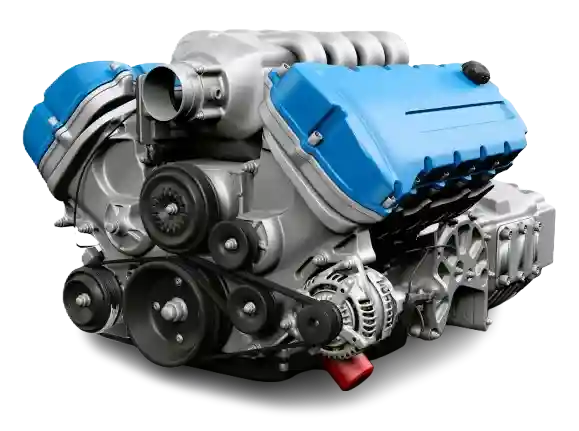
The 3.6 Pentastar is Chrysler’s aluminum, dual overhead cam, 24-valve V6, used since the 2011 model year in most Jeep, Ram, Dodge and Chrysler vehicles that offer a V6. Which version you have depends on the model and the year, so decode the VIN rather than going by the badge.
| Vehicle | Years with the 3.6 (approximate) | Version | Engine layout |
|---|---|---|---|
| Jeep Wrangler JK | 2012-2018 | Original design for the whole run | Longitudinal, 4WD |
| Jeep Wrangler JL and Gladiator | 2018 and later (Gladiator from 2020) | Upgraded design | Longitudinal, 4WD |
| Jeep Grand Cherokee and Dodge Durango | 2011 and later | Original in early years, upgraded later; confirm by VIN | Longitudinal, RWD or 4WD |
| Ram 1500 | 2013 and later | Original in early years, upgraded later; many 2019 and later trucks add eTorque | Longitudinal, RWD or 4WD |
| Dodge Charger, Challenger, Chrysler 300 | 2011 to 2023 | Original in early years, upgraded later | Longitudinal, RWD or AWD |
| Chrysler Pacifica | 2017 and later | Upgraded design | Transverse, FWD or AWD |
| Minivans, Journey, Chrysler 200, ProMaster | Various years from 2011 | Varies by model and year | Transverse |
Watch out: The 2014 and later Jeep Cherokee uses the smaller 3.2 Pentastar, a different engine. The Pentastar name alone does not tell you the displacement or version.
On most of these vehicles the 8th character of the VIN is the engine code, but the same letter can cover both versions across different years. So a parts specialist checks the year, model and build data too. Our guide to matching a used engine by VIN and engine code shows where to find both.
What Changed Between the Early and the Upgraded 3.6?
Starting around the 2016 model year, Chrysler phased in an updated 3.6 that keeps the name and displacement but changes most of the top end. Models switched in different years, so a 2016 to 2018 vehicle needs a VIN check most of all.
- Valve train: the upgraded engine has two-step variable valve lift on the intake side, so its cylinder heads, camshafts and rocker arms differ from the original engine’s.
- Compression and EGR: a higher compression ratio and cooled exhaust gas recirculation, with its own cooler and plumbing.
- Intake, wiring and calibration: a different intake manifold, extra electrical connections and an engine computer calibration written for that hardware.
- Start-stop and eTorque: many later engines use automatic start-stop, and many 2019 and later Ram 1500 trucks add eTorque, a belt driven motor generator in place of the alternator.
So an upgraded engine in an early vehicle, or the reverse, is a conversion with wiring and computer work, not a bolt-in repair. For a repair, order the same version your vehicle was built with.
Is the Engine Really Done, or Is It a Head or a Leak?
Many 3.6 Pentastar complaints are top end or leak problems that cost far less than an engine. A good shop rules these out first:
- Cylinder 2 misfire on early engines: many 2011 to 2013 engines developed a valve seat problem in the left (driver side) cylinder head, showing as code P0302, often with a tick. Chrysler extended warranty coverage on that head for many affected vehicles, but on vehicles this old the extension has most likely ended; a dealer can check your VIN. If it has, a used OEM cylinder head of your version may be all you need.
- Ticking with misfires: worn rocker arms and lifters can tick and, left alone, wipe out camshaft lobes. Rockers, lifters and sometimes cams fix it when the bottom end is healthy.
- Oil leaking at the back of the engine: the plastic oil filter housing and cooler sits in the valley under the intake and often cracks or leaks. The oil runs down the back of the block and is easy to mistake for a rear main seal.
- Coolant loss or overheating: check the water pump, the plastic thermostat housing and the oil cooler before blaming a head gasket. After an overheat, our cracked cylinder head guide explains the tests.
A used engine is the right call when the bottom end is damaged: a deep knock that rises with engine speed, low warm oil pressure, metal in the oil, low compression not caused by the valves, or an engine that seized or pulled in water. It also makes sense when heads, cams and timing work would cost close to a used engine. If the vehicle is getting old, our engine or another car cost breakdown helps you decide.
What Does a Used 3.6 Pentastar Cost, Installed?
A used 3.6 Pentastar typically costs about $1,200 to $3,000, and installation labor often comes close to the engine price. These are typical US market ranges; the exact figure depends on the year, version, mileage and what comes with the engine.
| Item | Typical range | Notes |
|---|---|---|
| Used 3.6, original version (2011 to about 2015, Wrangler JK to 2018) | About $1,200-$2,400 | Wide supply from many donor models |
| Used 3.6, upgraded version (about 2016 and later) | About $1,800-$3,000 | Newer donors, fewer at low mileage |
| Engine removal and installation labor | Often 10-16 hours | Minivans and some Jeeps sit near the top; your shop’s rate applies |
| Gaskets, fluids, filter housing, plugs | Often $300-$800 | Parts your shop replaces during the swap |
| Used cylinder head only | About $200-$600 plus roughly 8-14 hours labor | When one head is the only problem |
| Remanufactured 3.6 long block | Often $3,500-$5,500 | For comparison: longer warranty, higher cost, labor extra |
FirstChoice quotes used OEM engines at up to 70% less than a new dealer part, and the quote is free. Ask your shop for a written labor figure that includes the parts it will replace during the swap.
What Must Match on a Used 3.6 Pentastar for Your Vehicle?
A used 3.6 fits cleanly when it is the same version, from the same vehicle family, as the engine that came out. Confirm these before you approve one:
| What must match | Why it matters |
|---|---|
| Engine version (original or upgraded) | Heads, valve train, intake, EGR and the computer calibration differ |
| Model year range | Each model switched versions in its own year; 2016 to 2018 vehicles are the easiest to mix up |
| Vehicle layout | Transverse minivan engines and longitudinal Jeep, Ram and car engines use different intakes, oil pans, mounts and accessory brackets |
| Oil pan and front accessories | Pans and brackets differ between applications, and 4WD pans are often shaped to clear the front axle; your shop can move yours over if the donor differs |
| Start-stop or eTorque equipment | Changes the starter, the front accessory drive and the charging system |
| Automatic or manual | A manual Wrangler uses a flywheel instead of a flexplate; tell the specialist if yours is a manual |
Your shop moves over the parts specific to your vehicle, such as exhaust manifolds, sensors, the accessory drive and the oil pan where needed. Your engine computer stays with the vehicle.
What Should You Check in the Photos Before You Approve?
With FirstChoice, nothing ships until you approve photos of the actual engine. Use them with your mechanic to confirm the version and the condition:
- Identification: the engine tag, block stamping or donor details should match the version and year range your parts specialist quoted.
- Top end: compare the intake manifold, wiring and valve covers with your engine. A different shape usually means a different version or layout.
- Oil filter housing: if it is included, it should be whole and uncracked. The plastic housing breaks easily in handling, and many shops replace it anyway.
- Oil pan: no dents, gouges or crushed areas from off road use, and an intact drain plug area.
- Bellhousing and openings: no cracked ears or broken bolt bosses, ports covered, and no milky residue under the oil cap.
- What is included: intake, wiring, sensors and accessories, so you know what to move over or buy.
If an angle is missing, ask for another photo before you approve. More visual red flags are in our guide to signs of a bad used engine before you install it.
How Does Ordering a Used 3.6 From FirstChoice Work?
- Send your year, make, model and VIN, plus the drive type and whether it is a manual.
- A parts specialist matches the engine to your VIN before you pay and sends a free quote with the price, warranty term and shipping details.
- The supplier confirms the engine is available and in good condition, pulls it and photographs it.
- You approve the photos. Nothing ships until you do.
- Delivery target is within 5 business days of photo approval, and tracking is emailed within 2 days of shipment.
Engines ship by free LTL freight to a business address, such as your repair shop, in the 48 contiguous states, and carry a 90-day parts warranty (labor is not covered). Book your shop before the engine arrives; our freight receiving checklist covers delivery day. Start on the used engines for sale page, or call 1-888-383-2439 for 10% off phone orders, Monday to Friday, 9 AM to 6 PM EST.
Frequently Asked Questions
Can I put an upgraded 2016 or later 3.6 in my 2012 Wrangler?
Not as a simple swap. The upgraded engine has different heads with variable valve lift, cooled EGR, a different intake and its own computer calibration, so it needs wiring and computer changes. For a repair, replace an original version engine with another original version engine from a matching donor.
Will a Grand Cherokee 3.6 fit my Wrangler or Ram 1500?
Sometimes, when both engines are the same version and both come from longitudinal RWD or 4WD vehicles, because the long block is closely related. The oil pan, exhaust manifolds, intake and accessory brackets often differ, so your shop moves your parts over. A donor from your own model is the simplest order.
Does a used Pentastar need programming after the swap?
Usually not. The engine carries no computer, so your vehicle keeps its own engine computer and settings. Your shop clears the codes and runs any relearn in the service information, such as the crankshaft position relearn used for misfire detection. Programming becomes an issue when the engine version differs from the one your computer was built for.
How many miles is acceptable on a used 3.6 Pentastar?
Lower is better, but history matters as much as the number. A 3.6 with regular oil changes can run well past 150,000 miles, while a neglected one can wear its rockers and lifters far sooner. Ask for the donor mileage on the quote, and see our used engine mileage guide for how to weigh it.
What should my shop replace during a 3.6 engine swap?
While the intake is off, most shops replace the oil filter housing, the intake and valve cover gaskets as needed, spark plugs, the thermostat and its housing, and the water pump if its age is unknown. These parts are cheap compared with taking the intake off again later.
Related reading:
Used Engine Buyer’s Guide: Mileage, Compression Test, Block Inspection
How to Verify Used Engine Compatibility Using VIN + Engine Code
Used Engine Mileage: How Many Miles Is Too Many?
Jeep Wrangler Axles: Dana 30, Dana 44 and Used Swaps